The Archipelbuurt lies between the city centre, the Scheveningse Bosjes and the Peace Palace. Its streets are named after the islands of the former Dutch East Indies, such as Java, Sumatra and Bali, and it is one of the older residential areas of The Hague outside the historic centre.
Homes in the Archipelbuurt
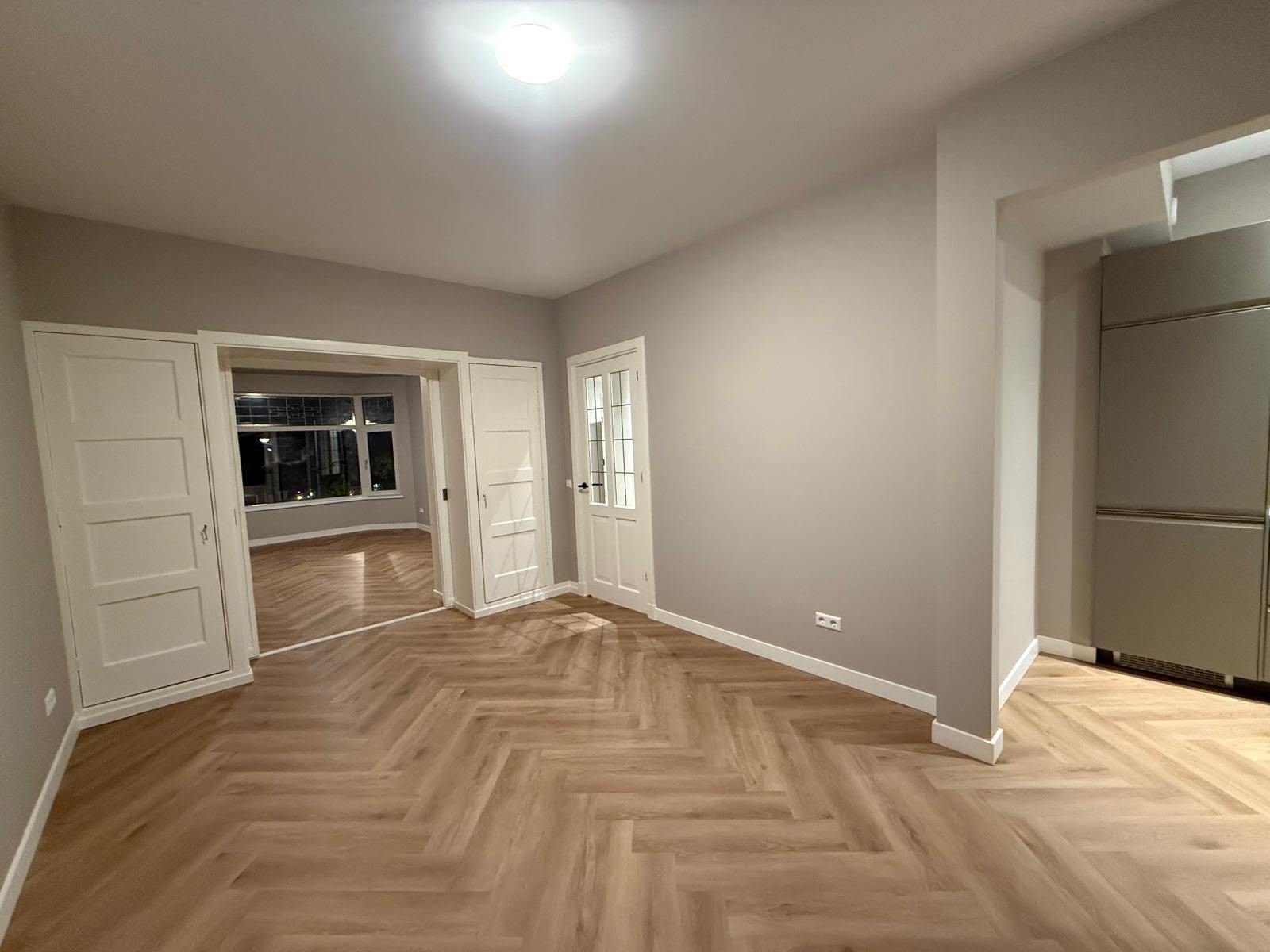
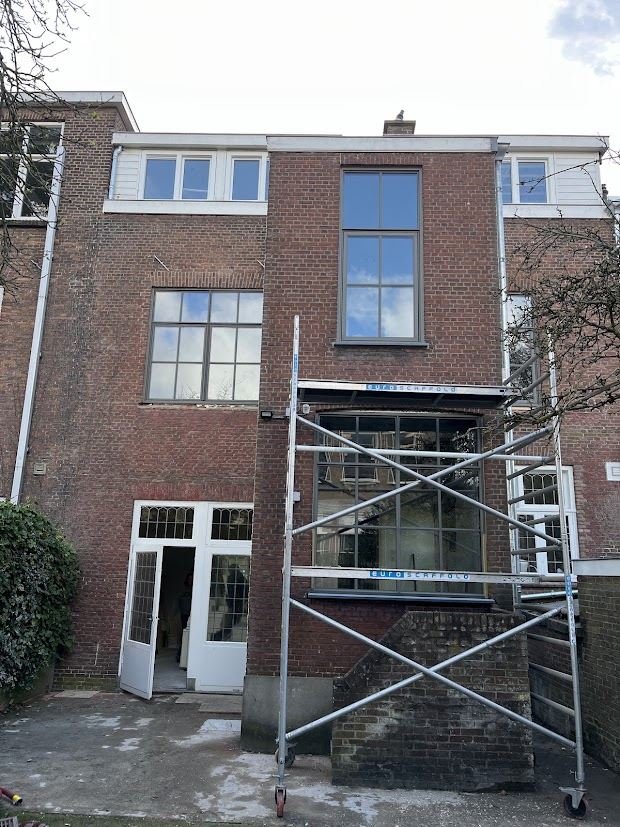
The neighbourhood consists mainly of 19th-century townhouses and some villas, built for well-to-do residents. Many are three or four storeys high with ornate facades, tall windows, high ceilings and original details inside. Some have been divided into apartments; others have been converted from offices back into family homes.
Typical projects
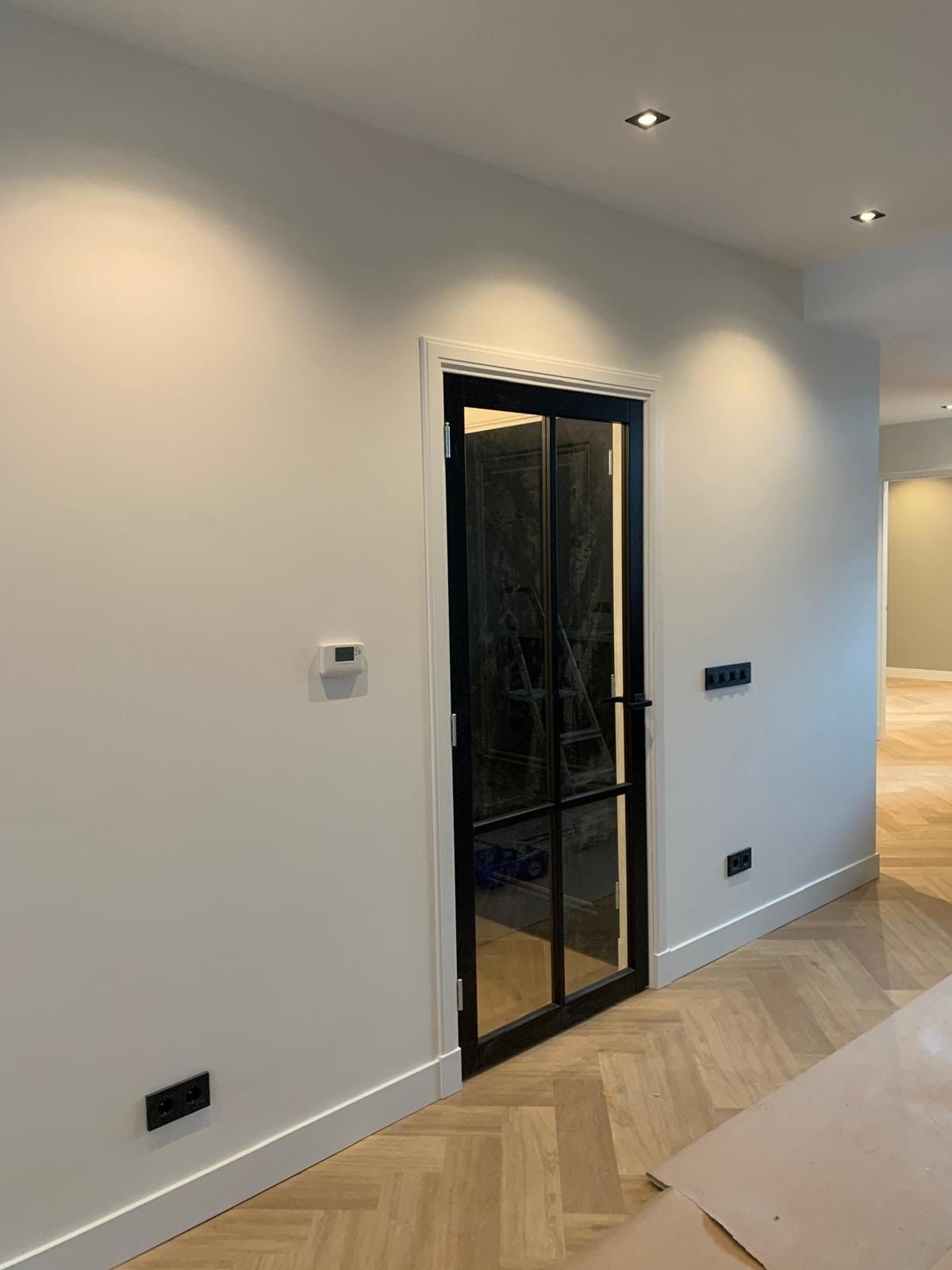
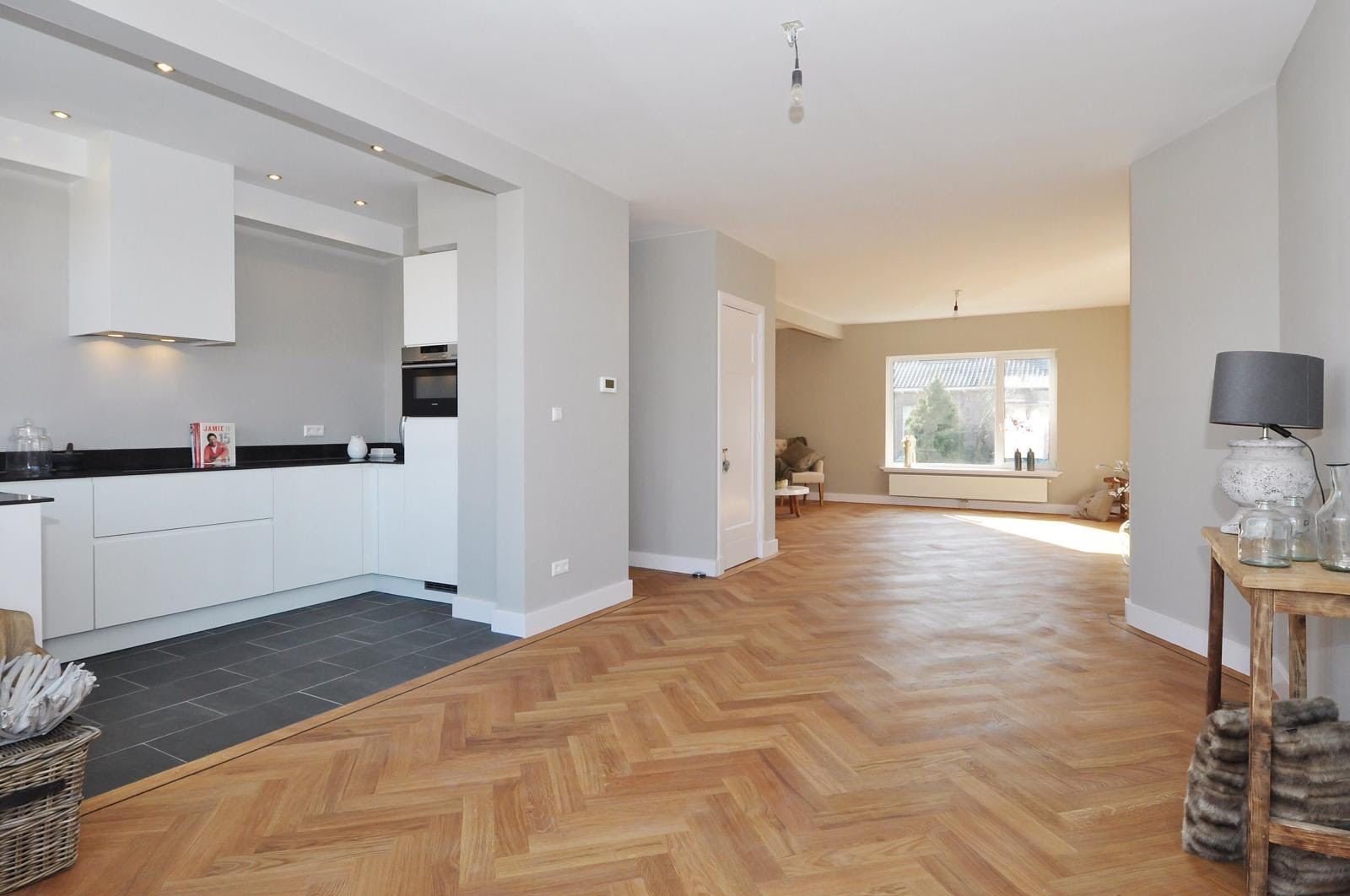
- Full renovations of townhouses, including new installations, insulation and modern kitchens and bathrooms, while restoring the period character. See full renovation.
- Window frames that match the original profiles and divisions, with insulating glass. See window frames.
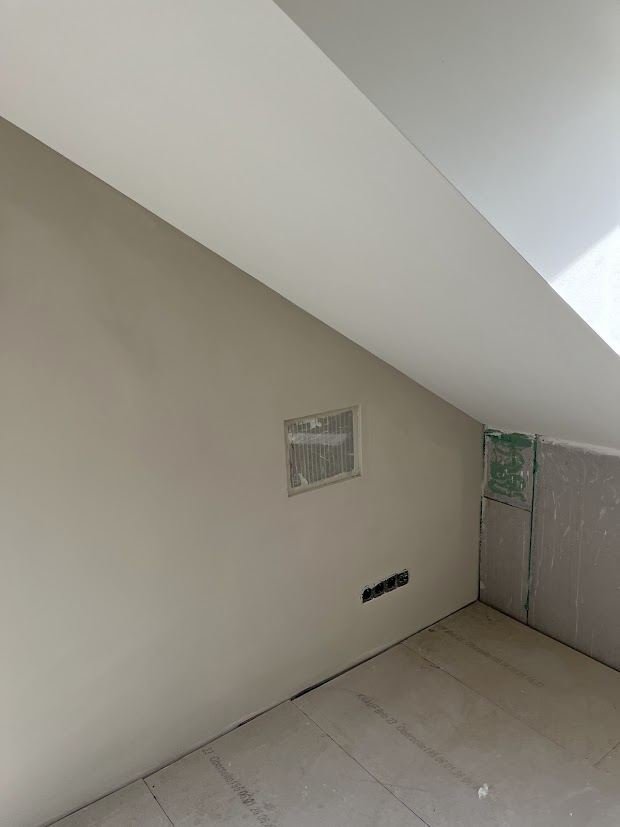
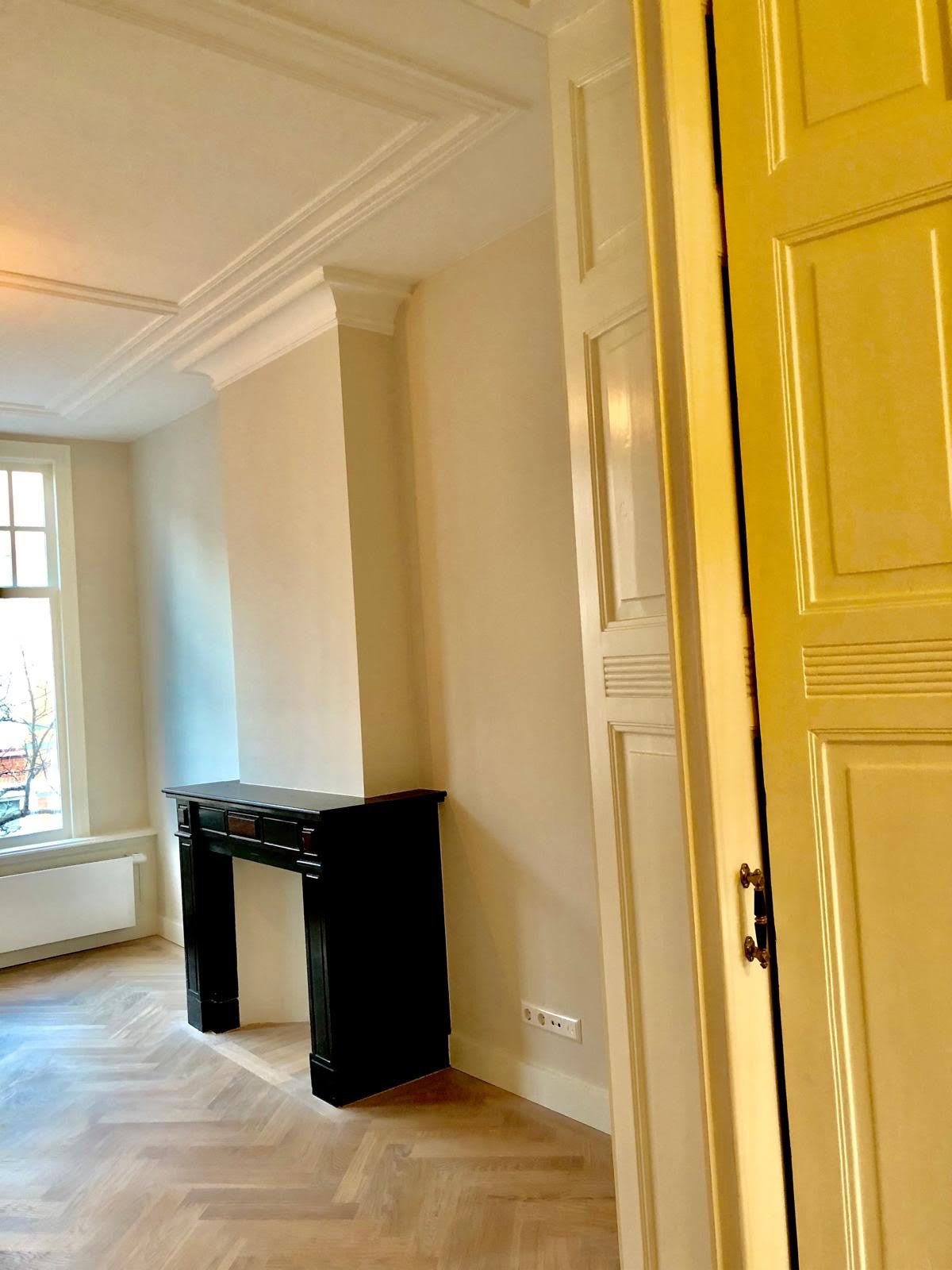
- Restoring ceilings and cornices, often combined with new wiring. See plastering.
- Lighting plans for large rooms with high ceilings, where the right mix of light makes all the difference. See lighting.
Things to know
- Protected streetscape: large parts of the Archipelbuurt are a protected cityscape, and several buildings are monuments. Changes to facades, roofs, window frames and dormers need careful preparation and often a permit. Read do you need a permit?.
- Scale of the homes: large townhouses mean large surfaces: more plastering, more paintwork and more complex installations. A clear planning is essential.
- Neighbours and embassies: the area has many embassies and offices. Working hours, deliveries and parking are planned with care.
Character and comfort
The challenge in the Archipelbuurt is to make a 19th-century house comfortable for modern living without losing what makes it special. Read renovating a pre-war home in The Hague for the usual findings and the right order of work.
Frequently asked questions about Archipelbuurt
Can I change the facade of my home in the Archipelbuurt?
Changes to the front facade, roof and window frames are assessed strictly here because of the protected streetscape. Interior work is usually possible without a permit, unless the building is a listed monument. We help you check your address.
Do you restore original details such as cornices?
Yes. Plaster cornices, ceiling roses, panelled doors and other details can usually be repaired or recreated by our plasterers and carpenters.
Can you make an old townhouse more energy efficient?
Yes, with care. Roof and floor insulation, insulation on the inside of walls and thin insulating glass in the existing frames can make a big difference without changing the facade.