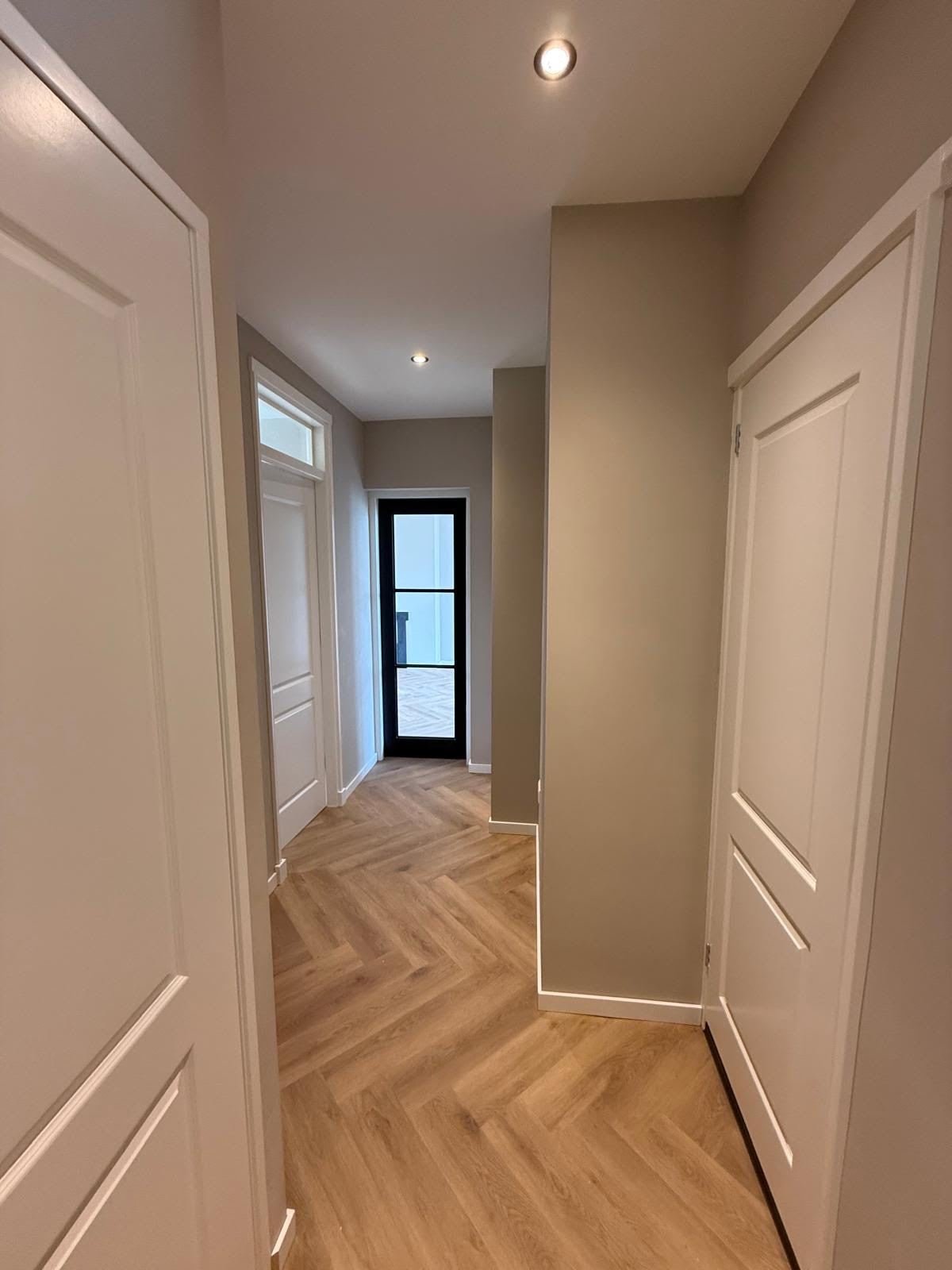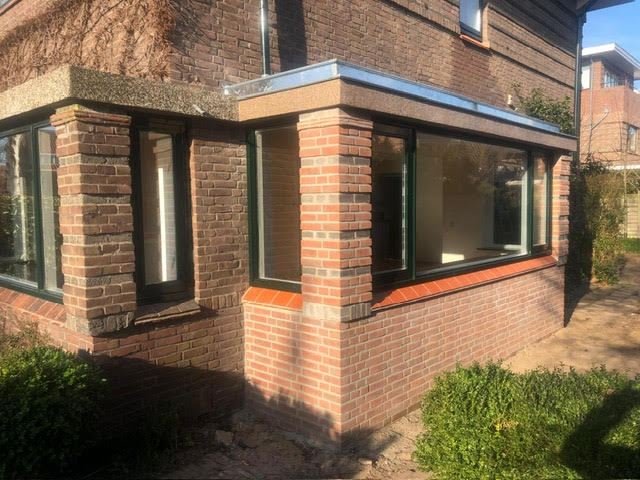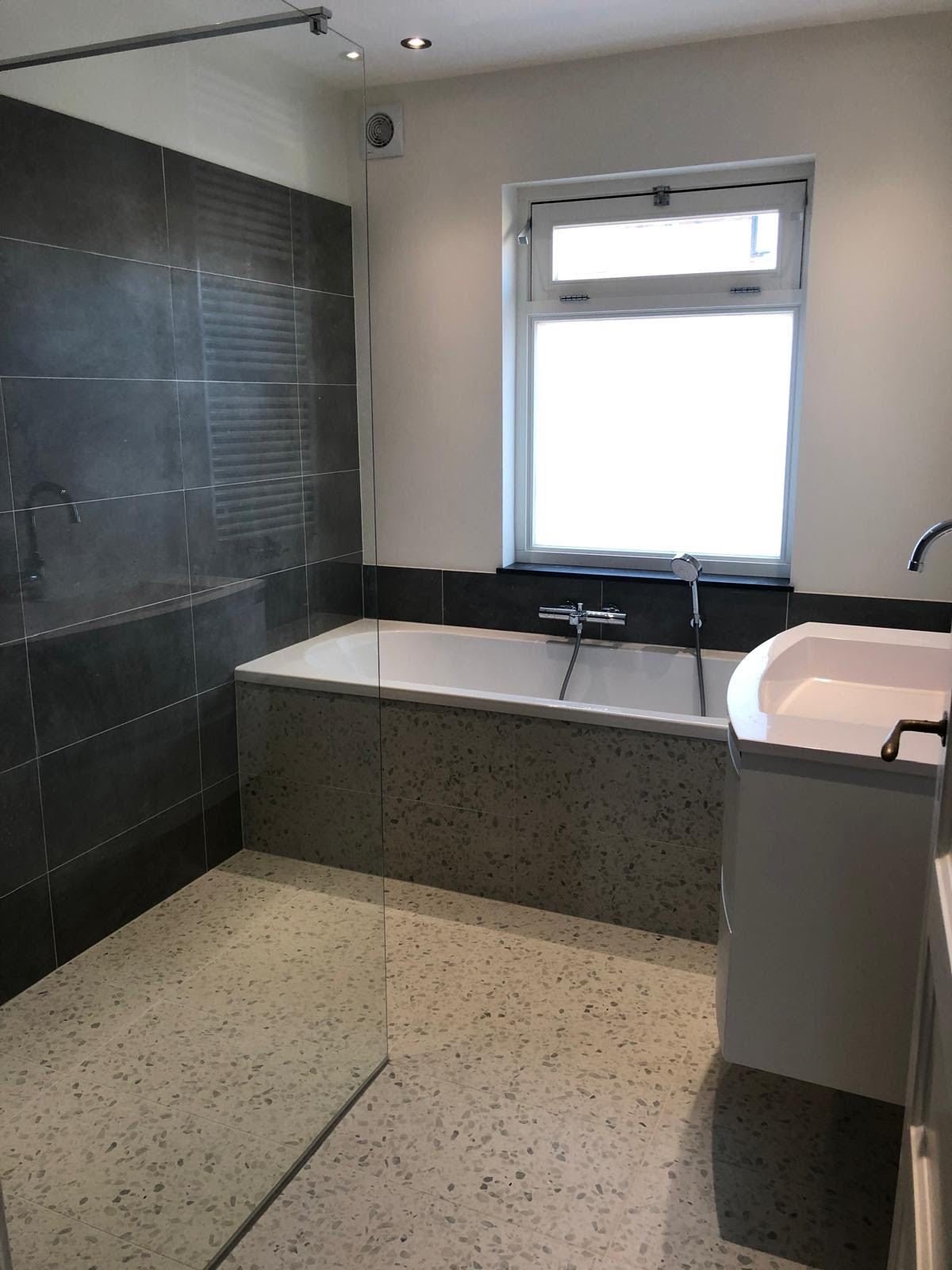
Large parts of The Hague were built between the 1880s and the 1930s. Neighbourhoods such as Duinoord, the Zeeheldenkwartier, the Statenkwartier, the Bomen- en Bloemenbuurt and Benoordenhout are full of homes with high ceilings, ornate facades and original details. They are wonderful to live in, but they were built for a different time.
What you often find
Timber floors and joists
Most pre-war homes have timber floors on joists. They can be uneven, creak or be weakened by old leaks, especially under bathrooms and kitchens. Before tiling or laying a new floor, the joists are checked and, if needed, reinforced.
Old electrical wiring
Parts of the installation may be decades old, sometimes without earth and with too few groups for modern appliances. During a renovation it is usually wise to renew the wiring and the fuse box. See our lighting plan service.
Lead or old water pipes
Homes built before about 1960 may still have lead water pipes. They should be replaced, and a renovation is the perfect moment.
Asbestos
Asbestos was banned in the Netherlands in 1993. In homes built before 1994 it can be present in old floor tiles, pipe insulation, roof sheets, window sills or around the heating. Before demolition, an asbestos inventory by a certified company is required, and removal must be done by a certified company too.
Little or no insulation
Solid brick walls, single glazing, an uninsulated roof and a draughty floor: many older homes lose a lot of heat. Insulation is usually the first step towards a comfortable, sustainable home; read heat pump, solar panels or insulation first?.
Old ceilings
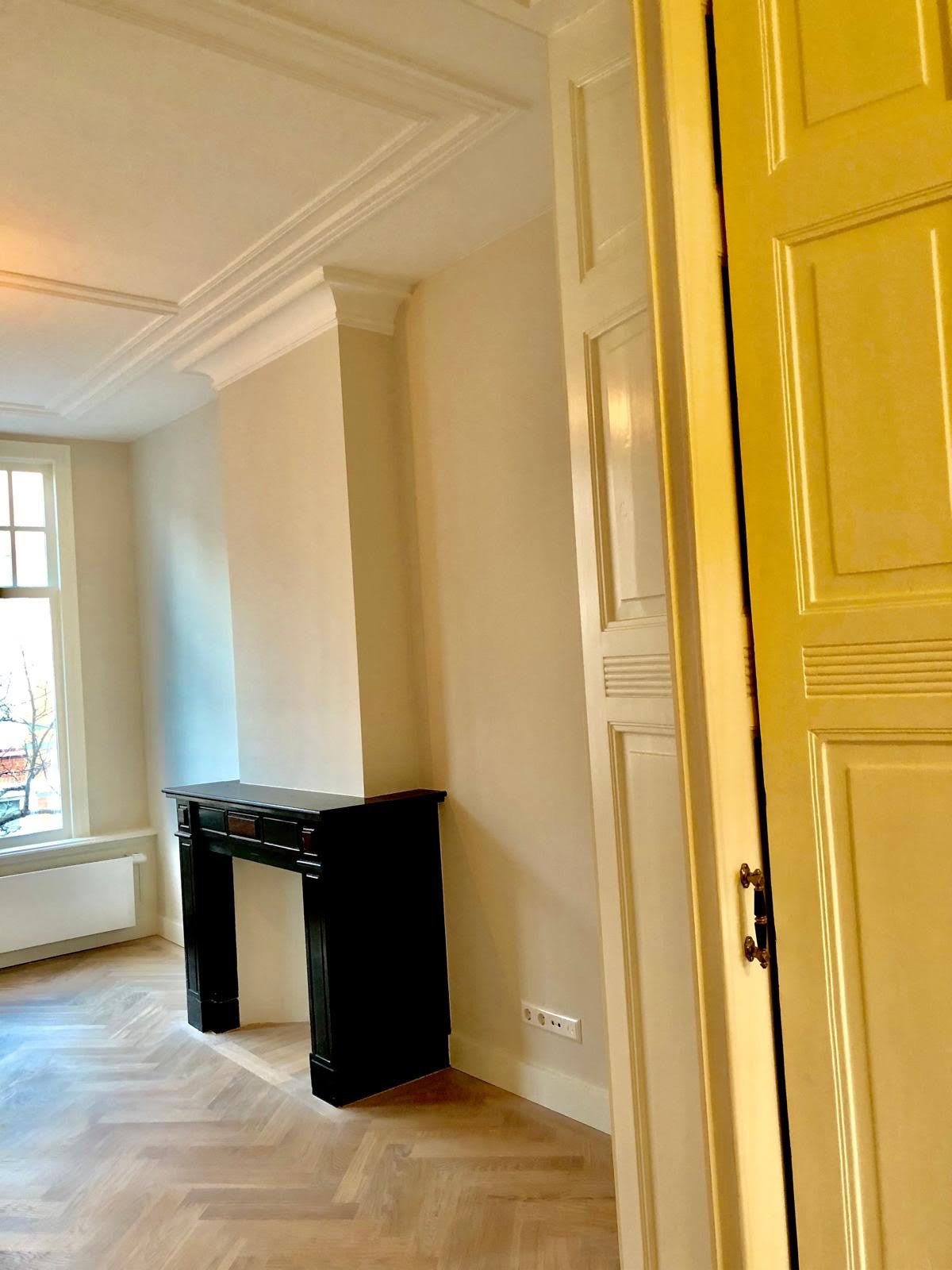
Reed or lath ceilings with plaster cornices are typical. They can often be repaired; where they are too damaged, a new ceiling can be made and the cornices restored. See our plastering service.
Rules for the facade
Several older neighbourhoods in The Hague are protected cityscapes (beschermd stadsgezicht), and many individual buildings are monuments. That affects what you can change at the front: window frames, doors, colours, dormers and extensions. Interior work is usually not affected, unless the building itself is listed. Check your address in the Omgevingsloket; read more in our guide on permits for extensions.
Keep the character
The original details are a large part of the value of these homes. Panelled doors, cornices, stained glass, fireplaces and tiled hallways can usually be restored. Combined with modern installations, insulation and a new kitchen and bathroom, you get the best of both worlds.
The right order
- Inspection: structure, asbestos, wiring, pipes.
- Strip-out and, if needed, asbestos removal.
- Structural repairs and reinforcement.
- New installations: electrics, water, drains, heating.
- Insulation and new window frames or glazing.
- Walls, ceilings, floors, kitchen and bathroom.
- Painting and finishing.
Budget for surprises
In older homes, not everything is visible before the work starts. A good contractor tells you this upfront, explains what was found and agrees on the price of extra work before carrying it out. Read how to find a reliable contractor in The Hague.
Planning to renovate a pre-war home? See our full renovation service or request a free quote.
Frequently asked questions
Are pre-war homes in The Hague hard to insulate?
They often have solid walls without a cavity, so wall insulation usually goes on the inside. Roof and floor insulation and better glazing are often easier and give a big improvement.
Does my old house contain asbestos?
Asbestos was used in Dutch buildings until it was banned in 1993, so homes built before 1994 may contain it, for example in old floor tiles, pipes, roof sheets or around heating. Before demolition, an asbestos inventory by a certified company is required.
Can I keep the original details?
Often yes. Cornices, panelled doors, stained glass and fireplaces can usually be restored, and they add a lot of value and character.