Energy prices, comfort and the value of your home are all good reasons to make it more sustainable. But where do you start? The general rule is simple: first reduce what you need, then make the heating efficient, then generate your own energy.
Step 1: Insulation and draught-proofing
Every euro spent on heating an uninsulated home partly disappears through the roof, walls, floor and windows. Insulation reduces that loss permanently.
- Roof: heat rises, so roof insulation often gives the biggest gain. See roof work and our roof insulation project.
- Floor: insulating under a timber floor via the crawl space makes rooms noticeably warmer.
- Walls: cavity wall insulation where possible; otherwise insulation on the inside.
- Glass and frames: HR++ or triple glazing and draught-free window frames.
- Draughts: sealing gaps around frames, doors and floors.
Insulation also makes your home more comfortable in summer.
Step 2: Ventilation
A well-insulated, airtight home needs good ventilation to stay healthy and prevent mould. Think of mechanical extraction in the kitchen and bathroom and ventilation grilles in the windows.
Step 3: The heat pump
A heat pump heats your home with electricity instead of gas, by extracting heat from the outside air or the ground.
- Hybrid heat pump: works together with your existing boiler. The heat pump does most of the work; the boiler helps on cold days. A good first step for many homes in The Hague.
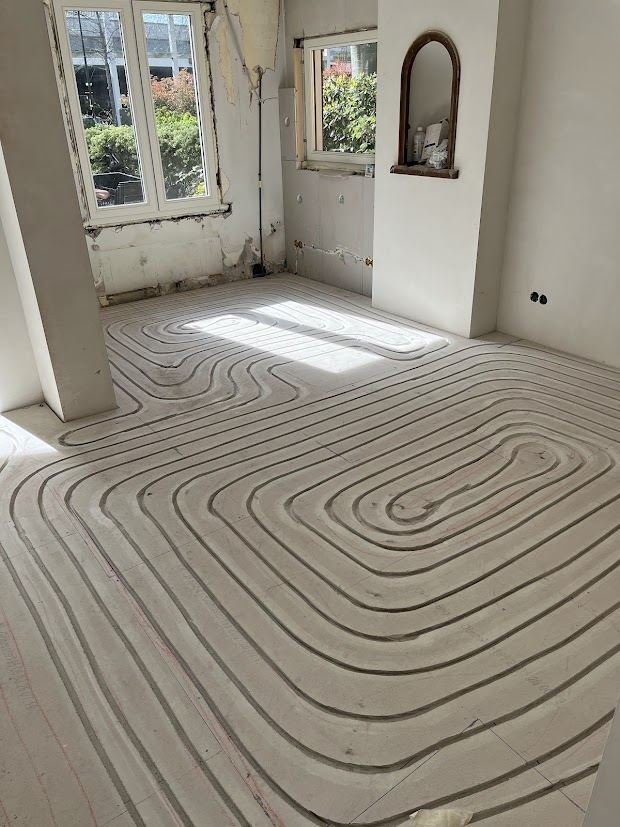
- Full electric heat pump: replaces the boiler completely. It works best in a well-insulated home with low-temperature heating, such as underfloor heating or larger radiators.
Because a heat pump works at a lower temperature than a gas boiler, insulation determines how comfortable your home will be, and how large (and expensive) the heat pump needs to be.
Step 4: Solar panels
Solar panels generate electricity on your own roof. Since 2023 VAT on solar panels for homes is 0%. The net metering scheme (salderingsregeling) ends on 1 January 2027, so the value of solar panels shifts towards the power you use yourself, for example to run the heat pump, the dishwasher or to charge a car during the day.
Check the roof before installing panels: if it needs to be renewed in the coming years, do that first.
Step 5: Home battery and EV charger
A home battery stores surplus solar power for the evening. An EV charger lets you charge your car with your own power. Both make the most sense in combination with solar panels, and both put extra demand on your electrical installation, so plan them together.
Combine with a renovation
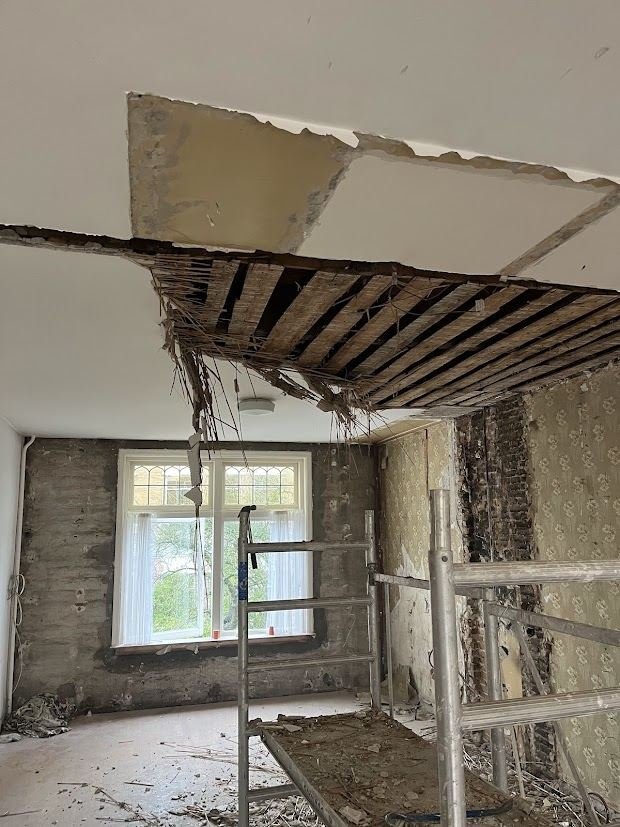
The most cost-effective moment for sustainable upgrades is during a renovation. When floors are open, underfloor heating and floor insulation are relatively easy. When walls are stripped, insulation and new wiring can be added. Read renovating a pre-war home in The Hague.
Subsidies
There is a national subsidy scheme (ISDE) for heat pumps and insulation, managed by RVO. Amounts and conditions change regularly, so check the current rules before you decide. The municipality of The Hague sometimes has its own schemes or advice services as well.
Want advice for your home? See our sustainability service or request a free quote.
Frequently asked questions
Can I install a heat pump in an old house?
A hybrid heat pump, which works together with your boiler, is often possible in older homes. A full electric heat pump needs a well-insulated house and preferably low-temperature heating such as underfloor heating.
Are solar panels still worth it after 2027?
The net metering scheme ends on 1 January 2027. After that, solar panels mainly save money on the electricity you use yourself. Using power during the day, or storing it in a home battery, becomes more important.
Where can I find current subsidies?
The national ISDE subsidy for heat pumps and insulation is managed by RVO (Netherlands Enterprise Agency). Municipalities sometimes have their own schemes. Check their websites for current amounts and conditions.